Caring for Your Mattress: The Ideal Cleaning Routine for Home and Hospitality


Keeping a hygienic and sanitary mattress is crucial for both households and accommodation settings. Over time, mattresses can accumulate a range of unwanted contaminants, including mites, bacteria, yeasts, and pollutants that can seriously impact the quality of air and the quality of sleep. This is especially important for motels and lodgings, where the well-being and safety of guests depend on a clean sleeping environment. Understanding how regularly to plan mattress cleaning is key for preventing issues such as difficulty breathing, dermatological issues, and other breathing-related problems caused by collected allergens.
For homeowners, regular mattress cleaning helps eliminate odors and ensure bedding sanitary, while in hotels, it ensures guest satisfaction and protects against insects like crawlers. With different stains, from food and drink spills to more concerning problems like liquid waste and throw-up stains, adopting a regular deep cleaning, such as steam extraction cleaning, becomes vital. In this article, we will examine the ideal cleaning regimen for mattresses that can help keep hygiene, eliminate dust, and preserve the longevity of this critical piece of furniture.
Comprehending Mattress Impurities
Beds are environments where a multitude of pollutants can flourish. Tiny dust creatures, sleeping pests, and mold spores are some of the most prevalent concerns found in both homes and hotels. https://uniqcarpetcleaning.com.my/ are minuscule creatures that consume dead skin cells and prosper in warm, damp conditions. Their presence can lead to increased allergens in the air, contributing to lung issues such as asthma and dermatitis. In guest accommodations, the appearance of bed bugs can be detrimental, affecting sleep quality and guest contentment.
Bacteria, viruses, and mildew can also be present in mattresses, creating significant health threats. Germs thrive on biological substances, including perspiration and spills, and can lead to foul scents and potential sanitary problems. Similarly, mold can thrive in wet conditions, resulting in foul air and adversely affecting indoor air quality. The accumulation of these pollutants can not only compromise sleep quality but also create an unhealthy environment that can intensify existing ailments.
In addition to organic threats, tangible discolorations from food and beverages, foul liquid, and vomit can enter beds. These marks can lead to further germ spread and lingering smells if not promptly addressed. Regular and professional cleaning, featuring methods such as steam extraction cleaning, is essential to effectively get rid of these pollutants and preserve the cleanliness and durability of bedding in both and commercial environments.
Important Maintenance Equipment and Techniques
To effectively maintain sleep surfaces in both homes and accommodations, having the right cleaning tools is key. A vacuum cleaner outfitted with a HEPA filter will help in removing allergens, dust, and dust mites. This type of vacuum captures tiny particles that can impact air quality and aggravate asthma or eczema. Routine vacuuming is important to keep the mattress clear from dirt and to avoid the collection of allergens that could hinder sleep quality.
In addition to vacuuming, steam extraction cleaning is one of the most effective methods for thoroughly cleaning mattresses. This method uses heat to eliminate bacteria, viruses, and fungi, while also removing stubborn stains such as urine, vomit, and food. The steam penetrates deep into the mattress fibers, guaranteeing that dust mites and bed bugs are removed. Scheduling professional cleaning every six months, or more frequently in high-use environments, can substantially enhance hygiene and extend the mattress's lifespan.
For those looking to maintain their mattresses between professional cleanings, a combination of spot cleaning and odor removal techniques can be advantageous. Utilizing a mild detergent solution for food and drink stains, along with a mixture of baking soda and essential oils for odors, can keep the surface fresh. Frequently airing out the mattress by removing bedding and allowing it to breathe in a well-ventilated area can also aid avoid mold and mildew, contributing to a healthier sleeping environment.
Professional vs. DIY Bed Cleaning
When think about bed cleaning, both expert services as well as Do-It-Yourself approaches have their advantages and drawbacks. Professional services typically employ sophisticated techniques like steam extraction cleaning, which efficiently cleans away dust mites, allergens, germs, and various impurities potentially impact air quality and the quality of sleep. Professionals have the ability to use specific tools and cleaning solutions that can more effectively tackle stubborn dirt and blemishes, providing a thorough deep cleaning which is hard to obtain with household approaches.
On the other hand, DIY bed care can be a budget-friendly option for regular maintenance. Homeowners can use basic techniques, such as vacuuming equipped with a HEPA filter to remove dirt and allergens, or alternatively using gentle cleaners for top-level care. However, these methods often do not eliminate persistent issues like bedbugs, mildew, or urine stains as effectively as a professional cleaning. Additionally, inadequate cleaning can result in moisture retention, which can encourage the development of fungi or bacteria, potentially harmful for individuals who suffer from asthmatic issues or eczema.
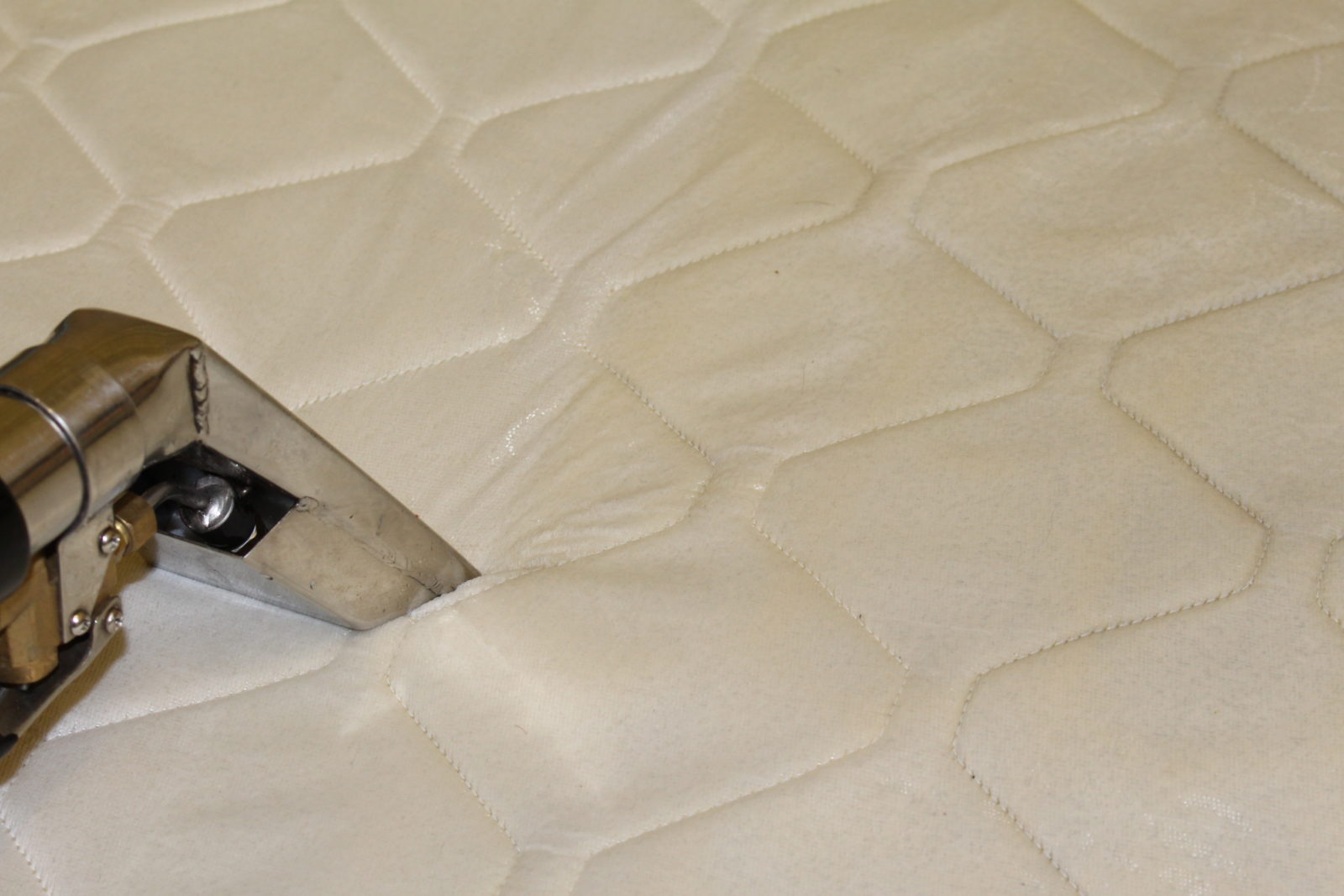
In the end, the choice between professional and DIY bed care is determined by the particular needs of the mattress and the regularity of cleaning needed. For hotels and homes with high traffic, regular expert service might be essential to maintain cleanliness and avoid problems related to allergens and smells. In contrast, DIY methods can suffice for homeowners looking to keep up tidiness between expert cleanings, provided they are mindful of the limitations and hazards associated with less thorough techniques.
Ensuring Air and Rest Quality
A clean mattress is essential for upholding both air and sleep quality in homes and guest environments. Dustmites and allergens can accumulate in sleeping materials, eliciting breathing issues, asthmatic reactions, and skin irritations. Routine maintenance not just removes these irritants but also enhances overall hygiene, fostering a safer sleeping environment. Increased levels of debris and bacteria can lead to noxious odors and impact the standard of rest, making it important to involve oneself in consistent care.
In besides regular maintenance, it is important to plan expert cleaning at least once a annum. Techniques such as steam extraction cleaning effectively eliminate bed bugs, dissolve dust mites, and get rid of odors. This deep maintenance technique not only addresses noticeable stains from beverages, drink, or human fluids, but also works to eradicate underlying allergens and fungi that can detract from atmospheric quality. By committing to this level of attention, homes and hospitality venues can ensure that mattresses stay a safe and pleasant area for sleep.
Prioritizing mattress care not only safeguards the well-being of individuals but also extends the life of the mattress. A well-maintained mattress enhances better rest quality, which is paramount for overall well-being. With less allergens, a cleaner environment can greatly enhance experiences in accommodation settings, leading to increased guest satisfaction and repeat stays. Prioritizing mattress maintenance is crucial for both health and comfort.
Preventative Measures for Bed Durability
To ensure the lifespan of your mattress, routine care and preventive measures are necessary. Using a high-quality mattress protector can greatly reduce the buildup of irritants such as dust mites, bacteria, and fungi. This barrier not only helps in removing dust and dirt but also safeguards against spills, urine stains, and vomit stains, thus ensuring hygiene and extending the duration of the mattress. Regularly washing the protector can also enhance air quality and sleep quality by keeping allergens at bay.
Adequate ventilation is another key element in caring for your bed. Regularly airing out your mattress can help prevent mold growth, especially in humid environments. Turning the mattress periodically aids in uniform wear and helps to avoid pressure points that can lead to discomfort. This practice also contributes to a more beneficial sleeping environment, reducing the risk of respiratory problems, asthma, and eczema for vulnerable individuals.
Ultimately, arranging professional cleaning every few years is recommended for thorough cleaning your bed using steam extraction cleaning. This eliminates entrenched dust, kills bed bugs, and eliminates odors from food and drink stains. Professional cleaning not only enhances the lifespan of the bed but also ensures that your sleeping area remains free from allergens and pathogens. Taking these preventative measures collectively contributes to a healthier, more comfortable sleep environment.